Energy Engineering
- Studienfeld(er): Marketing, Vertrieb, Nachhaltigkeitswissenschaften (ökonomisch), Wirtschaftswissenschaften, Ökonomie
- Startdatum: annually in the winter semester
- Regelstudienzeit: 4 Semester
- Studienform(en): Internationaler Studiengang, Teilzeitstudium, Vollzeitstudium, Praxisintegrierend
- Zulassungsmodus: Bachelor grades, Language skills, Disciplinary skills
- Trägerschaft: Ausländische Hochschulen
- Hauptunterrichtssprache: Englisch
Course description
In this study programme you will learn how to design and develop effective, innovative and sustainable technological solutions to challenges linked to the depletion of fossil fuels and the environmental impact of energy use. You will study energy efficiency in buildings and industry, the production of renewable energy through small to medium-scale systems, and the broader environmental consequences of technological innovation and energy-market dynamics.
By gaining advanced expertise in the design and management of energy systems, resource use, energy planning and distribution - supported by modern modelling techniques - you will be equipped to address complex, interdisciplinary problems in the energy sector, contribute to the development of smarter and more sustainable infrastructures and policies, and play a leading role in driving technological innovation and research.
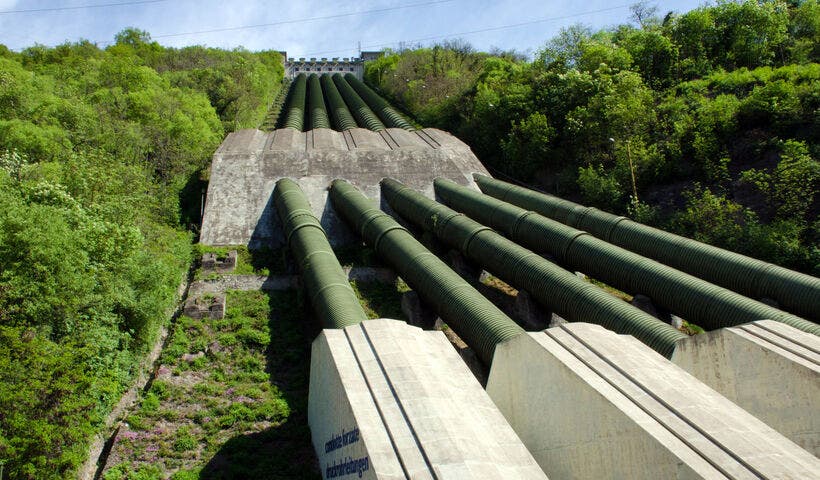
There is currently a strong demand for energy engineers, and you will be able to pursue management and research positions in manufacturing or service companies, design offices and public administrations dealing with Energy Resources, Energy Planning, Design, Construction and Operation of Renewable Energy Plants (particularly hydroelectric and cogeneration plants), Cogeneration and Trigeneration, Heating and District Heating, Thermotechnical Industry.
On completion of your degree, you will be in a position to be considered for entry into a PhD programme.
In order to gain admission to this programme you need a bachelor degree during which you must have acquired at least 6 credit points in one or more of these subject areas: Business Administration, Economics, Statistics. A further requirement for admission is proof of level B2 in English.
- Schwerpunkte:
- Business Management, Marketing, Regional Economics, Sustainable Mobility, Destination Management
Early Bird Application: 02/03 - 28/04/2026 (by noon local time) Late Application: 28/05 - 08/07/2026 (by noon local time) Classes: from end of September to mid-June
Bemerkung:
EU citizens can apply for a scholarship granted by the Autonomous Province of Bozen-Bolzano- Zulassungssemester:
- annually in the winter semester
- Zulassungsmodus:
- Bachelor grades, Language skills, Disciplinary skills
- Zugangsvoraussetzungen:
In order to gain admission to this programme you need a bachelor degree during which you must have acquired at least 6 credit points in one or more of these subject areas: Business Administration, Economics, Statistics. A further requirement for admission is proof of level B2 in English.
- Schwerpunkte:
- Business Management, Marketing, Regional Economics, Sustainable Mobility, Destination Management
Early Bird Application: 02/03 - 28/04/2026 (by noon local time) Late Application: 28/05 - 08/07/2026 (by noon local time) Classes: from end of September to mid-June
- Studienbeitrag:
- 1200 € per year
- Studienbeitrag (Bemerkung):
- EU citizens can apply for a scholarship granted by the Autonomous Province of Bozen-Bolzano
- Fakultät*:
- Faculty of Engineering
- Akkreditierung*:
- staatlich
-
 The study programme is offered in collaboration with the University of Trento.
 -
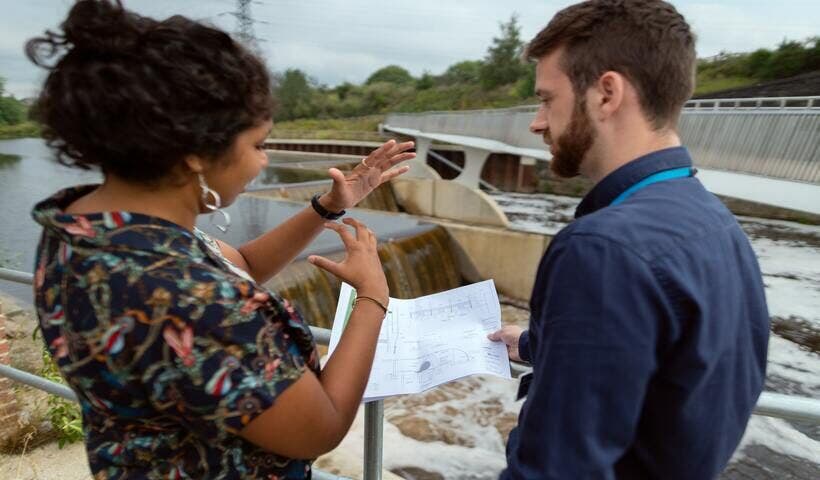 Ideal Student-Lecturer Ratio
 -
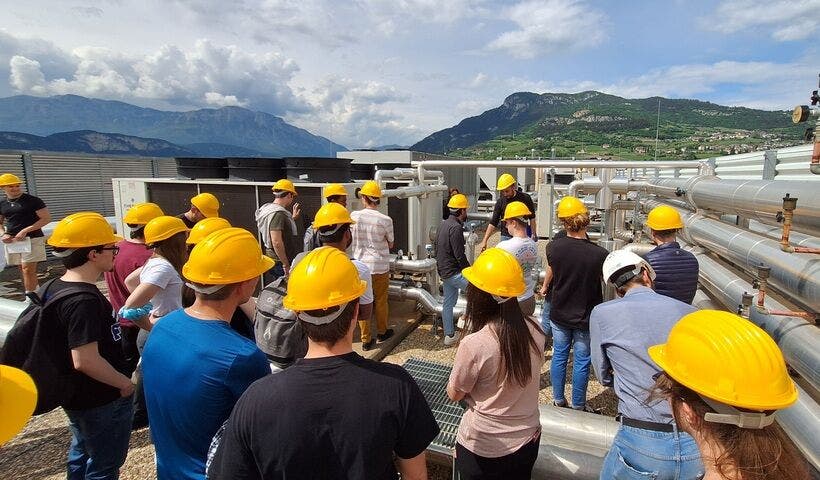 The programme combines theory and practice, which is crucial for your preparation for the job market.
Structure of the course
The first year offers a core set of fundamental courses designed to build a solid foundation in energy engineering. Key topics include an overview of conventional and renewable energy resources, the principles and technologies behind the management and operation of energy conversion plants, and the analysis of energy use across major application sectors, such as residential and commercial buildings. These courses equip students with the essential knowledge and tools to understand, evaluate, and optimise energy systems in diverse real-world contexts.
At the second year, you can choose between two curricula, each tailored to a distinct area of energy engineering:
- Technologies for Energy Efficiency
- Renewable and Innovative Technologies for Energy Supply
Both curricula prepare students to address current and future challenges in sustainable energy systems.